Native Garden Installation
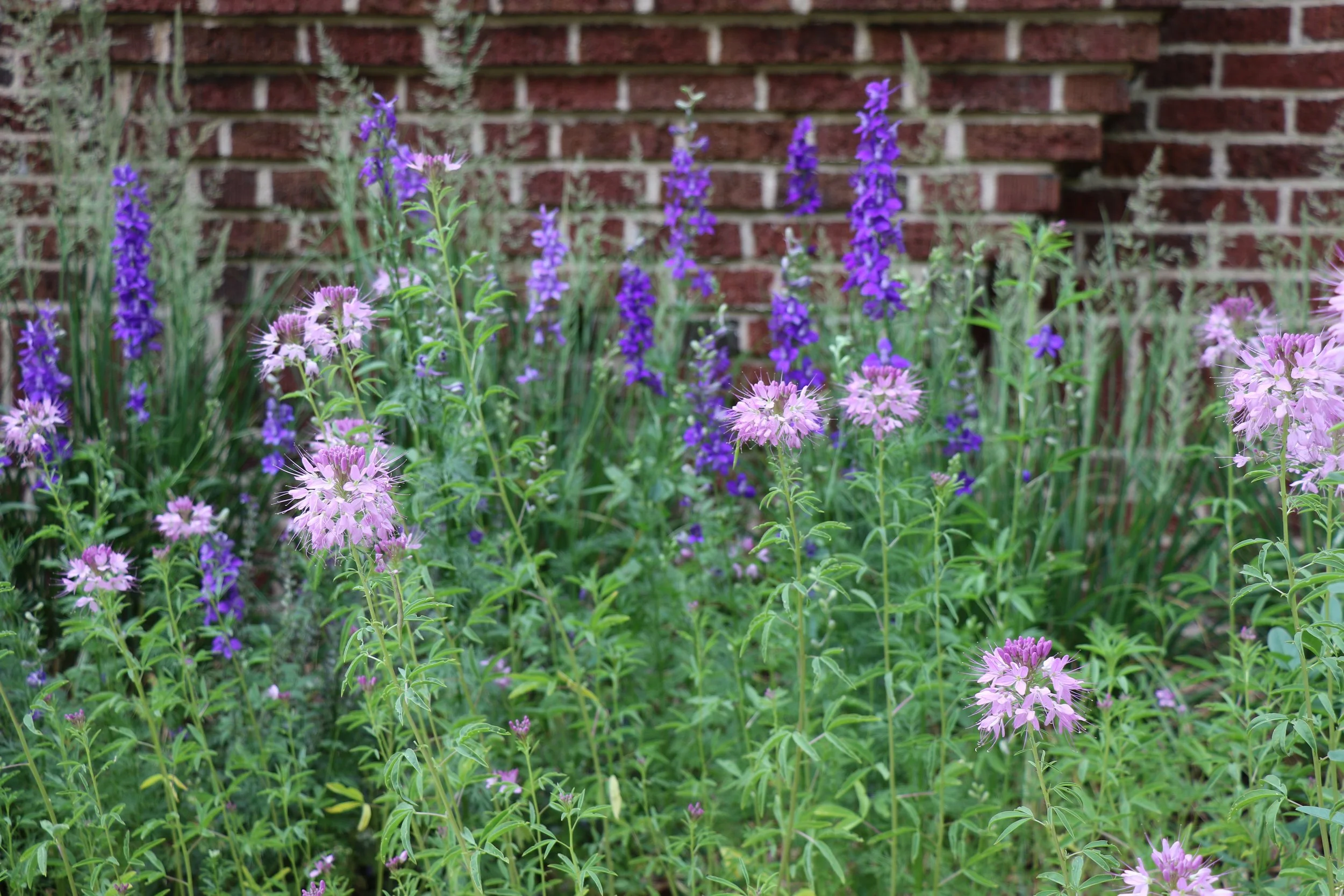
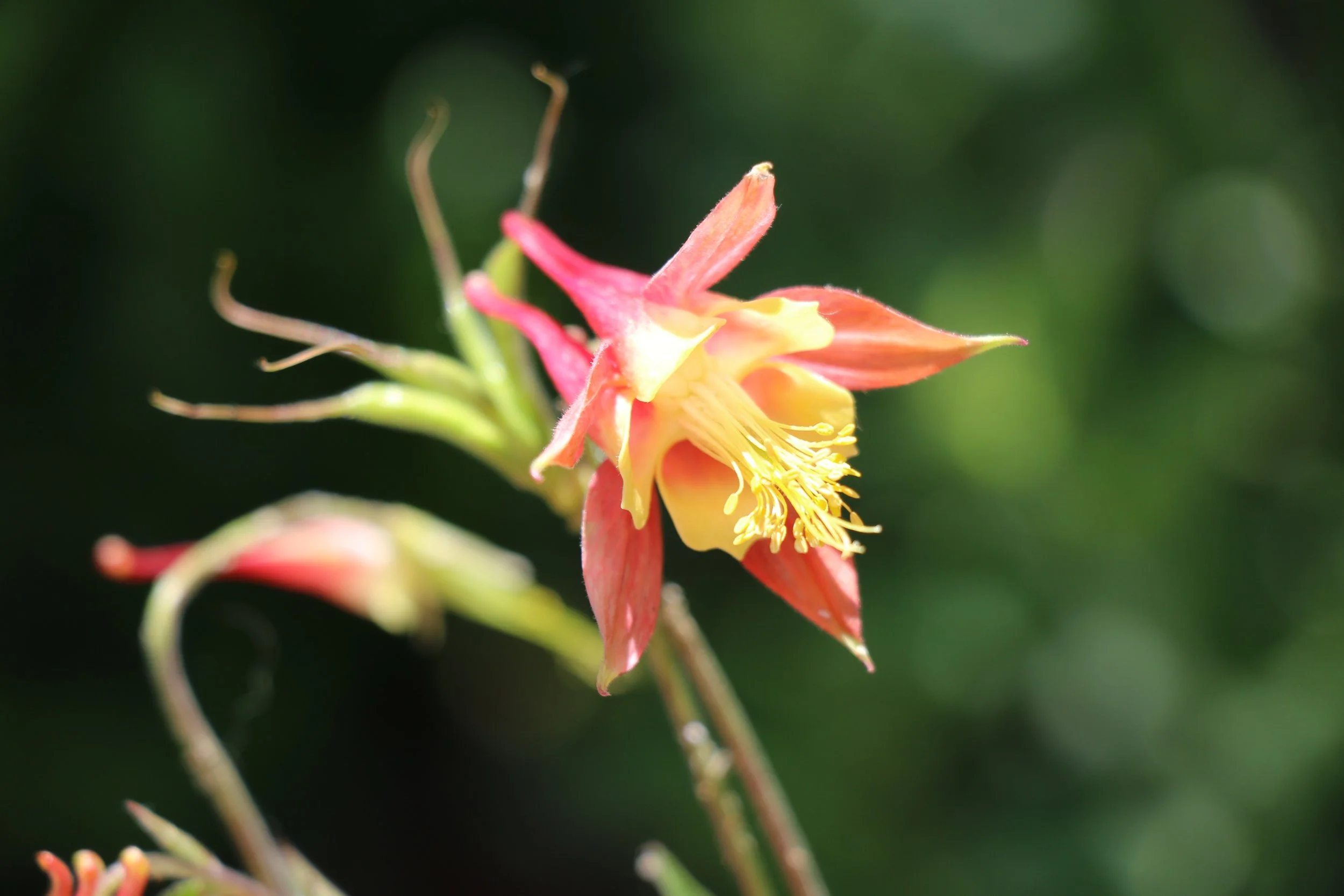
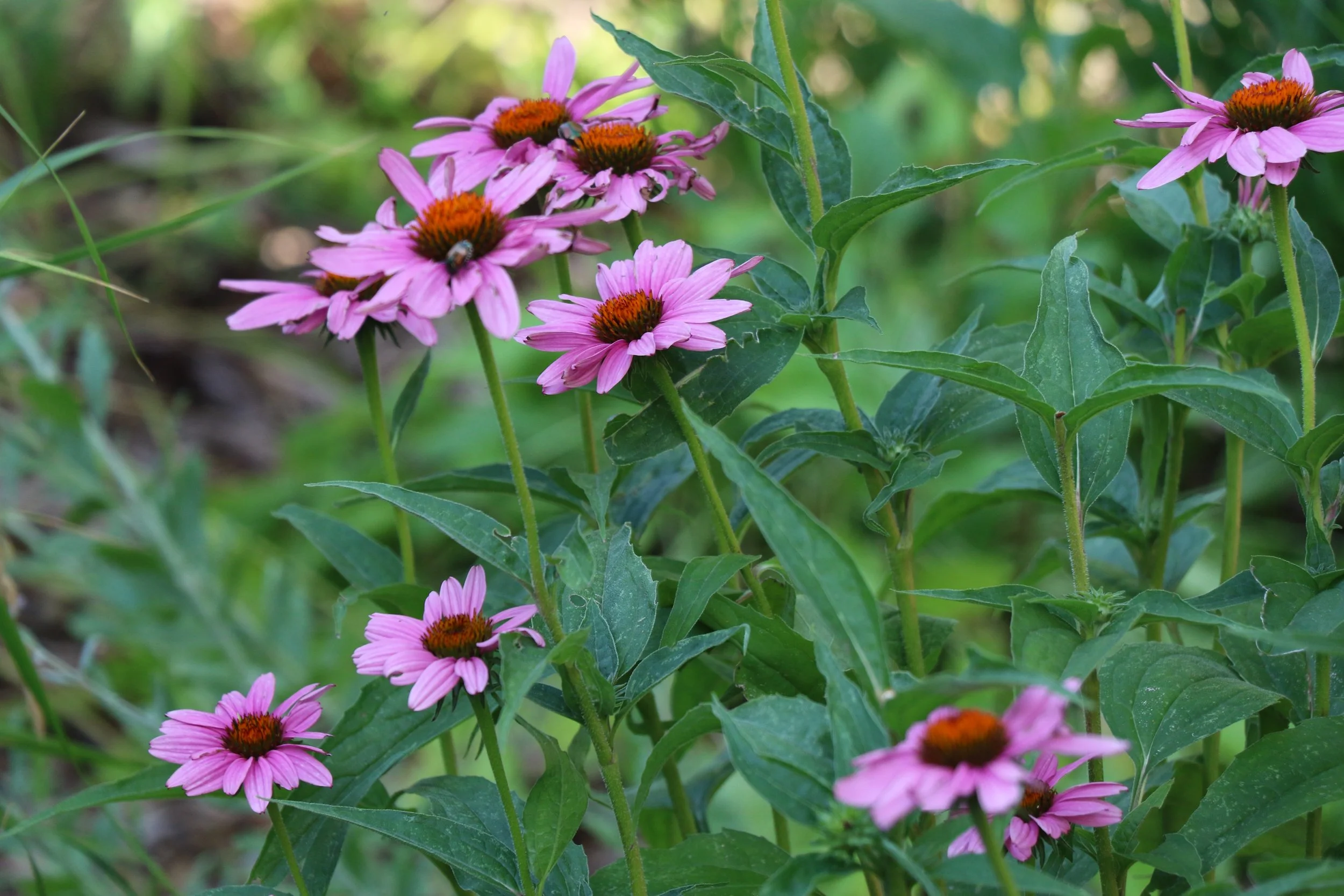
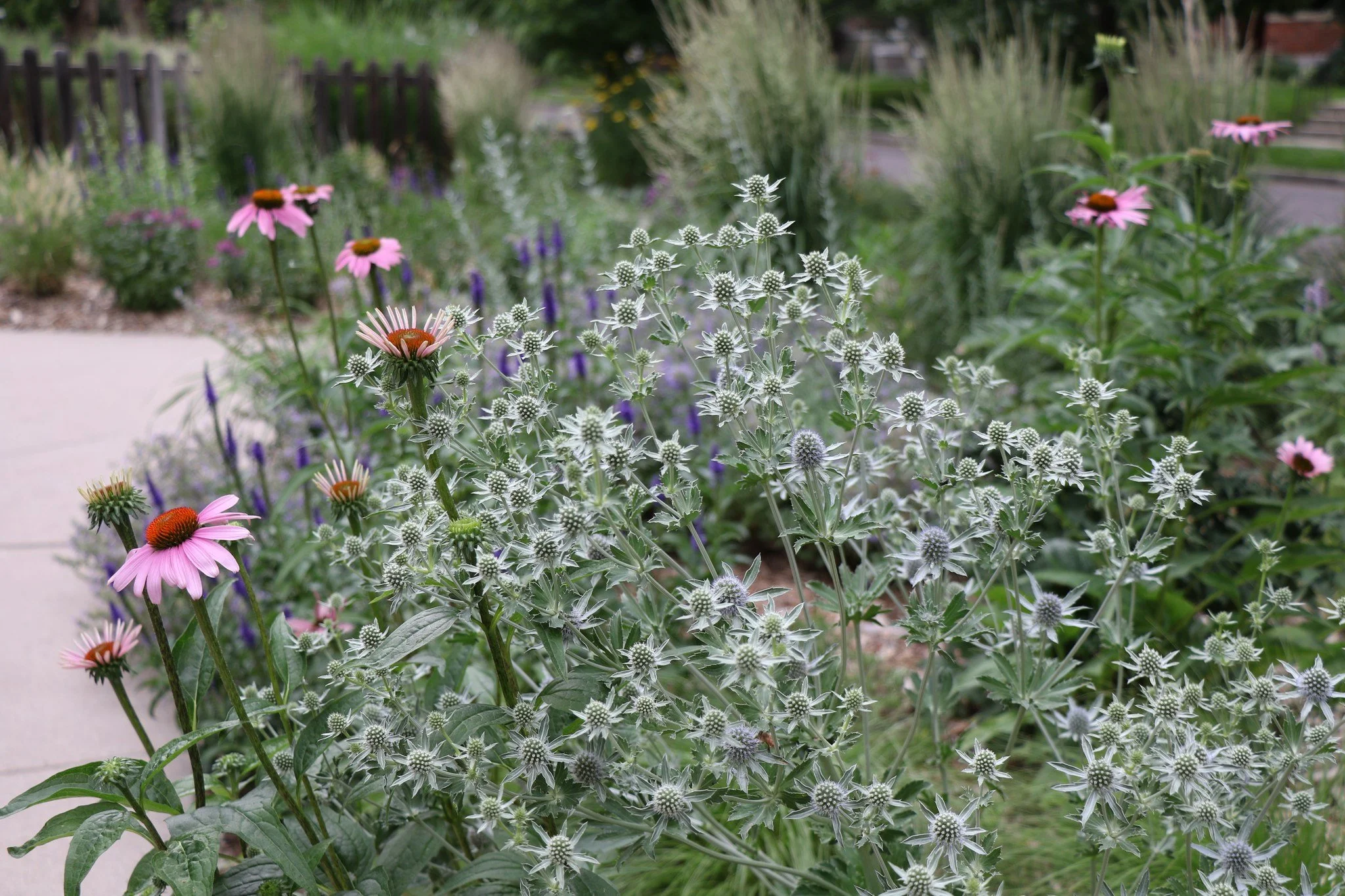
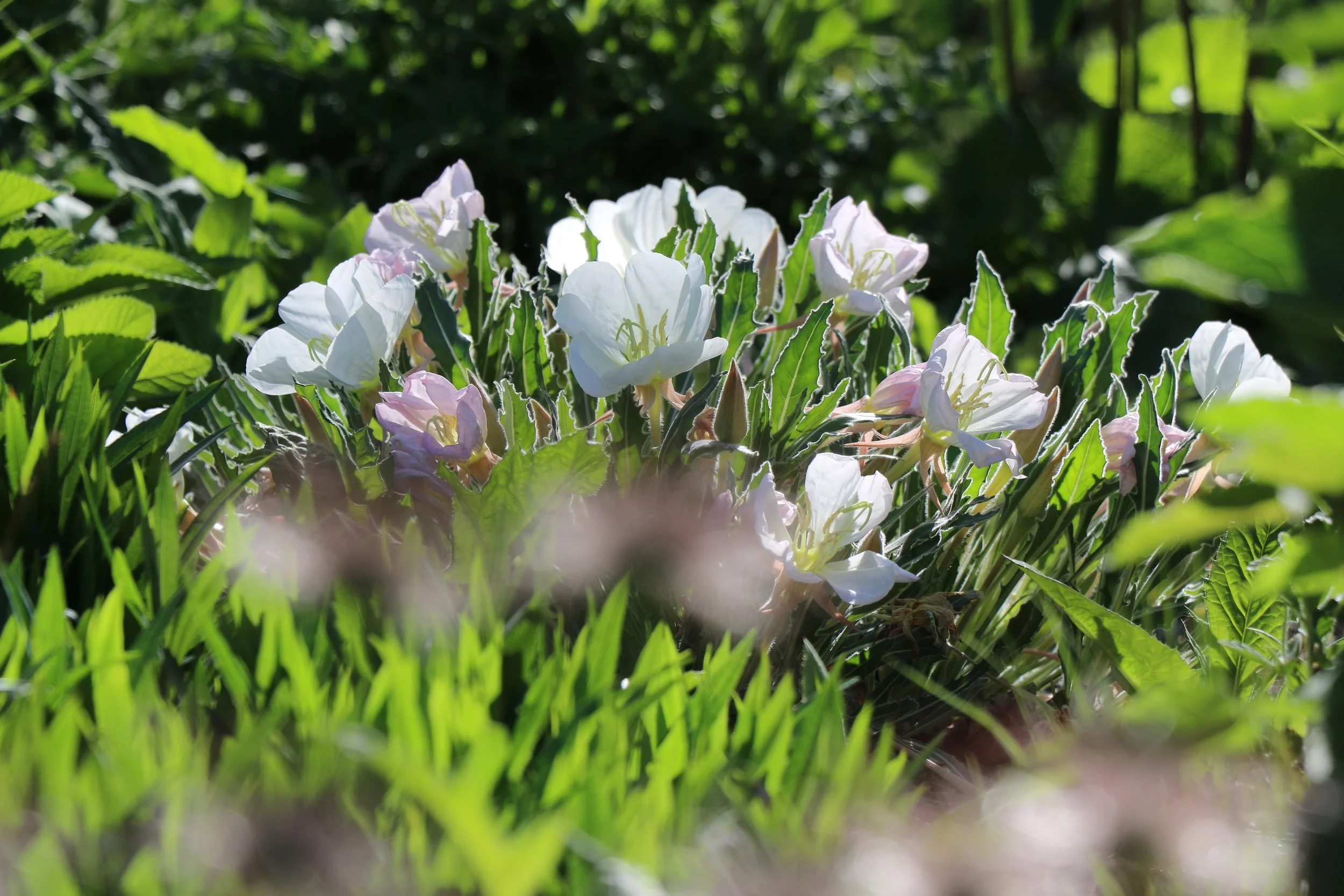
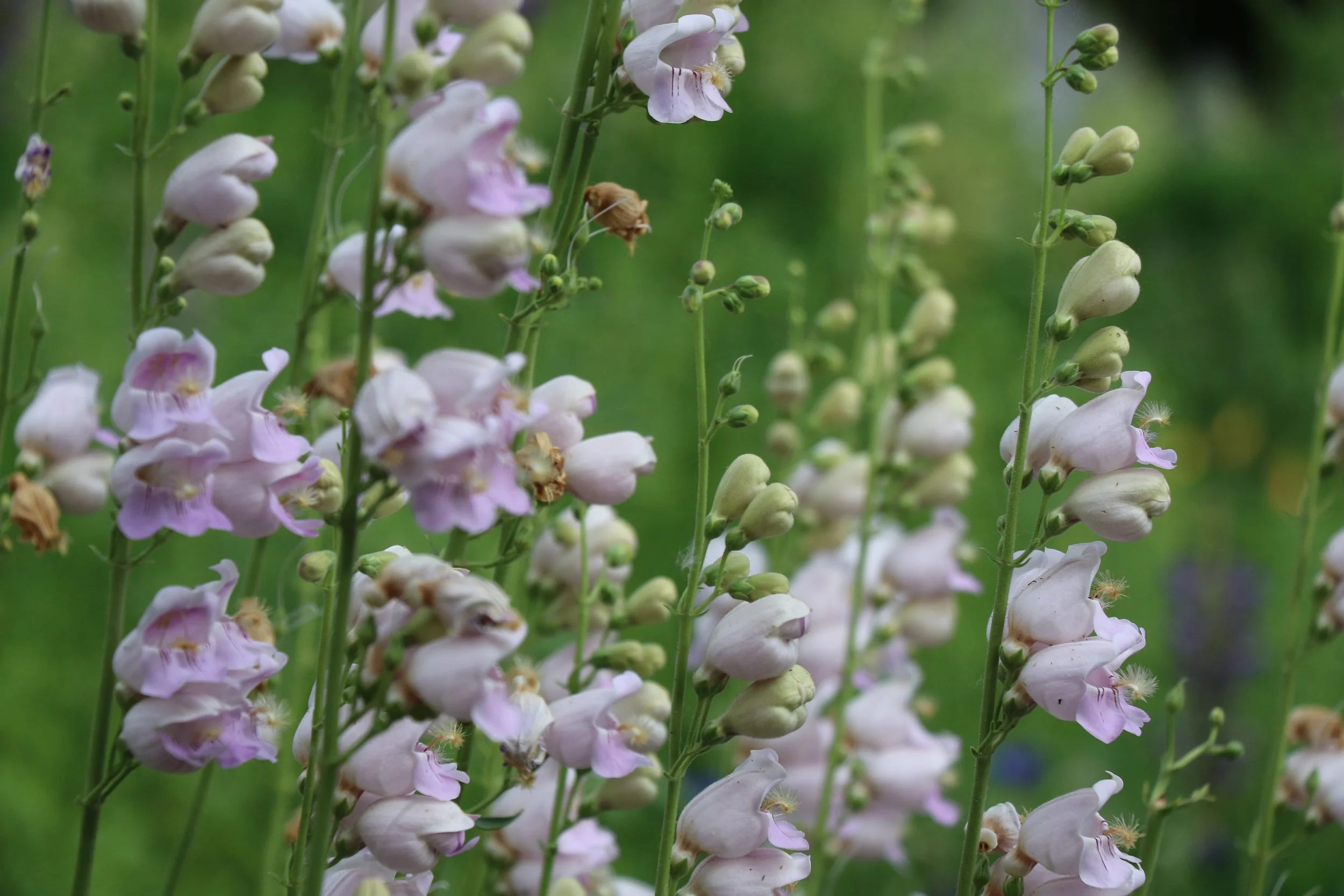
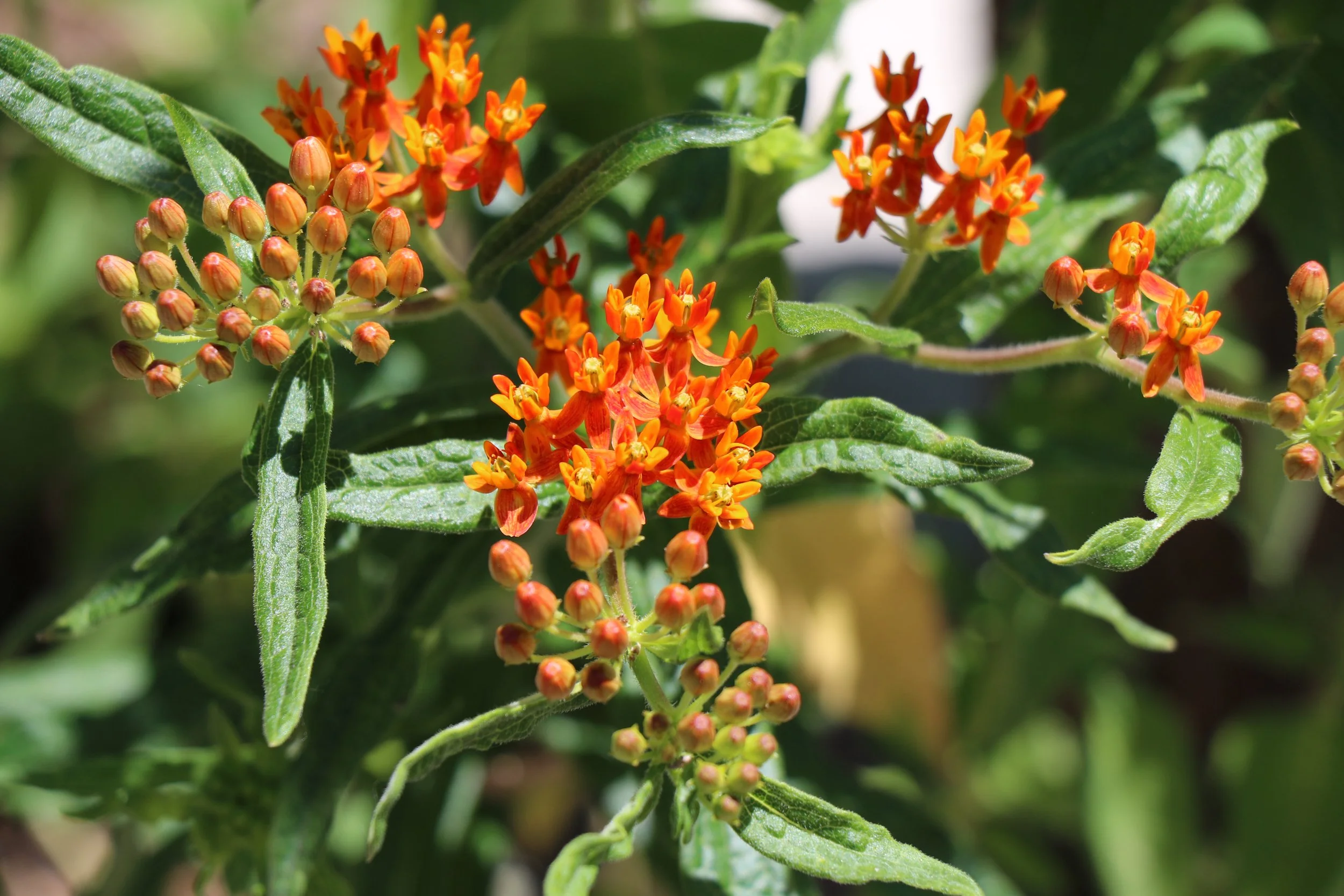
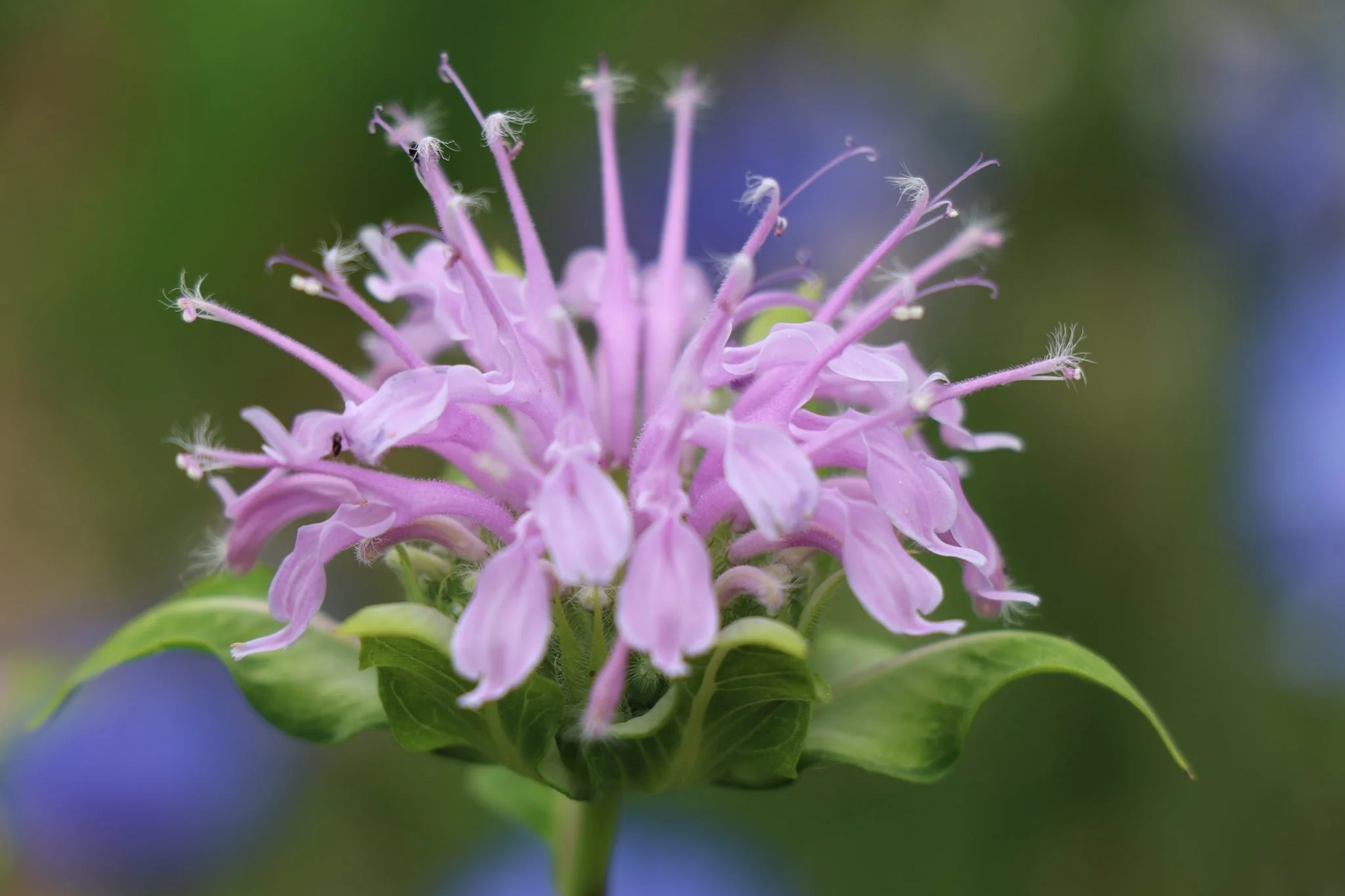
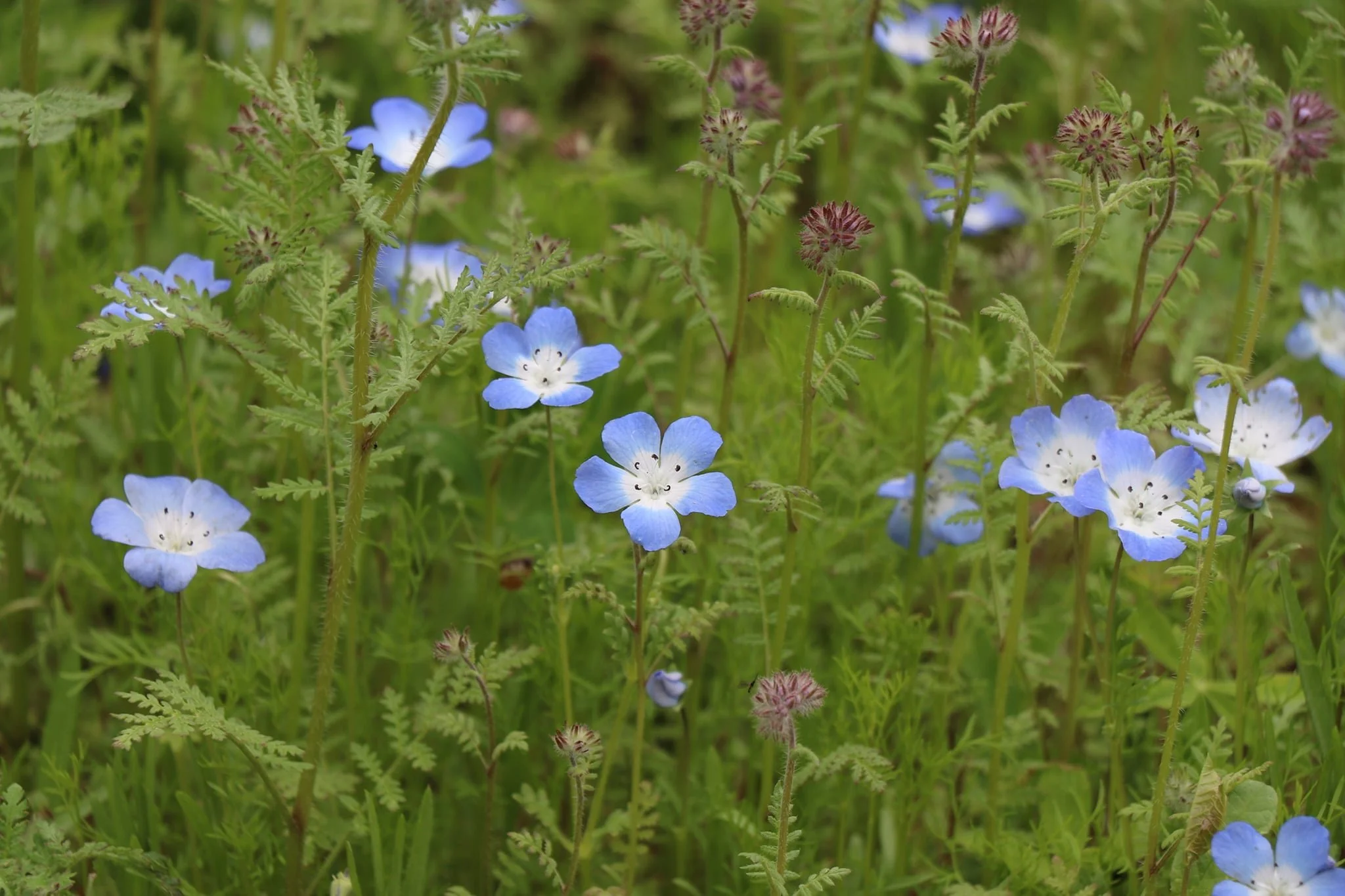
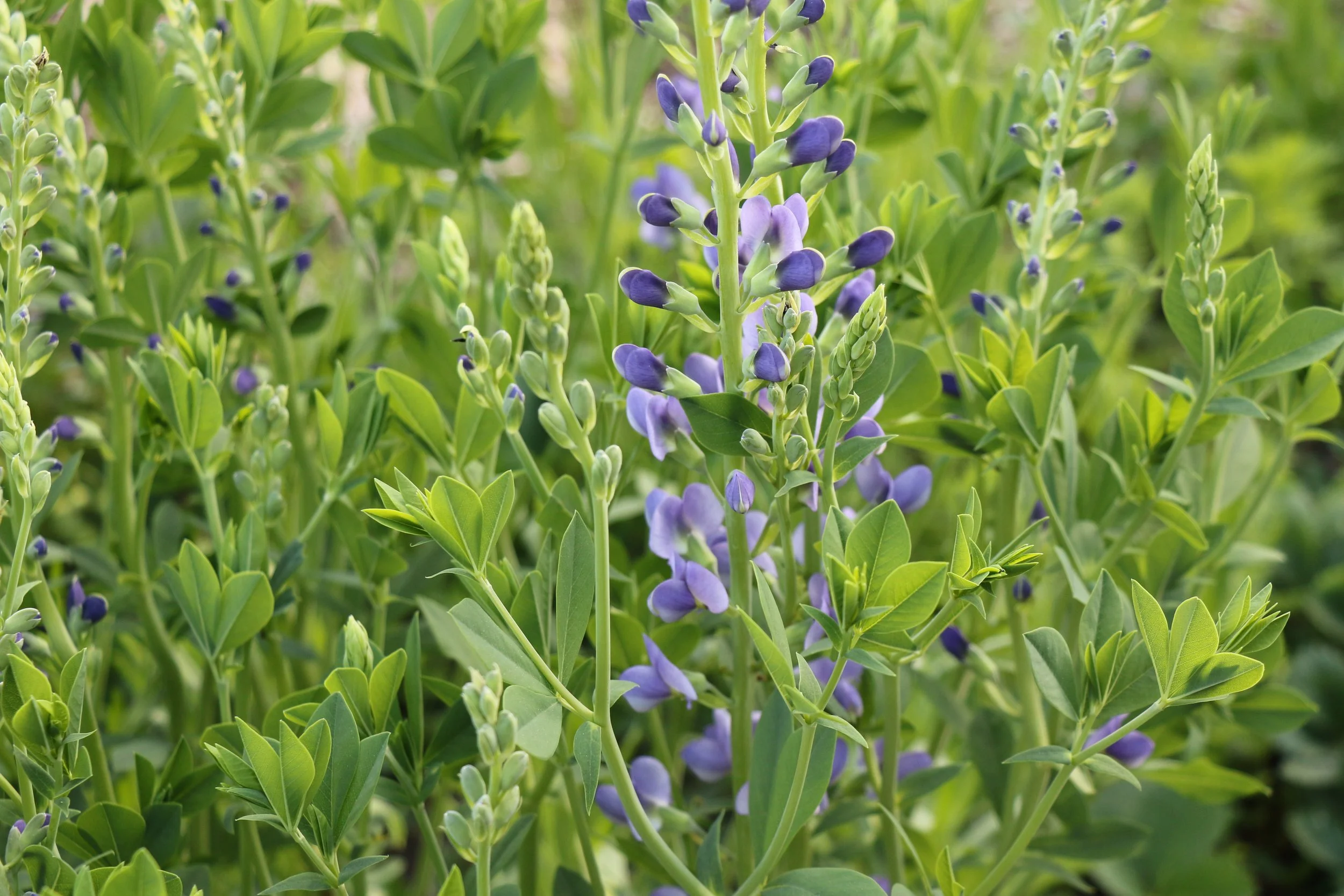
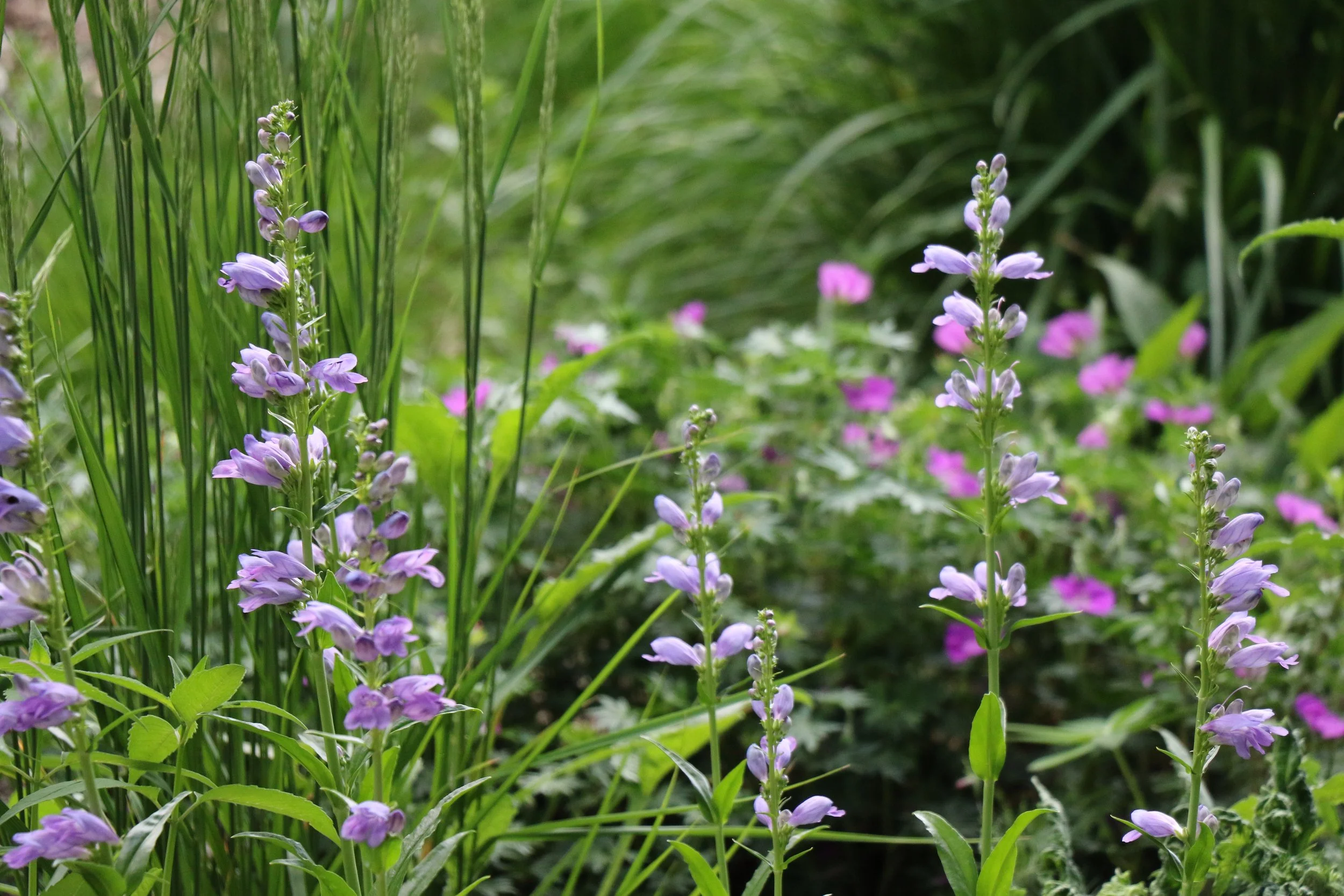
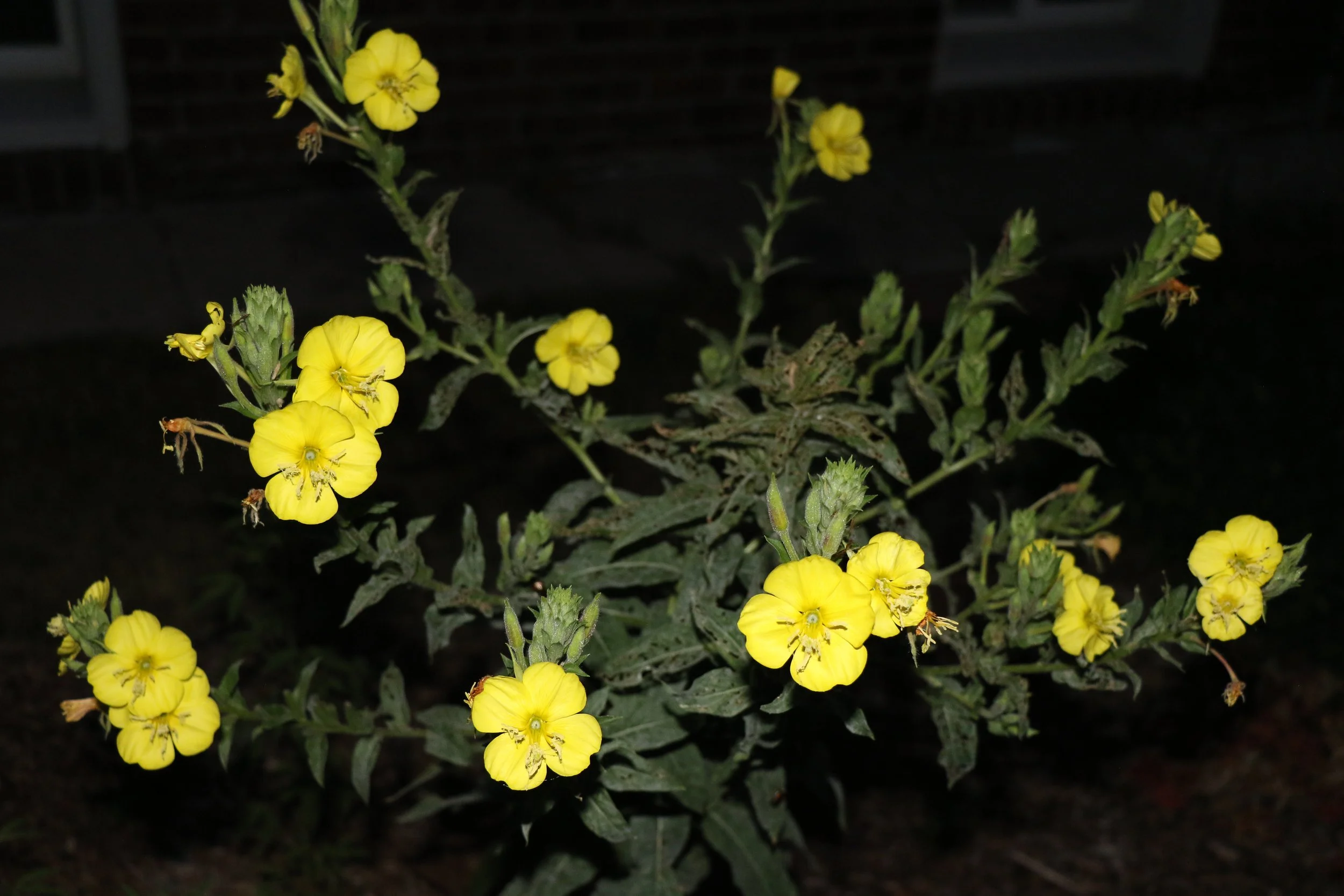
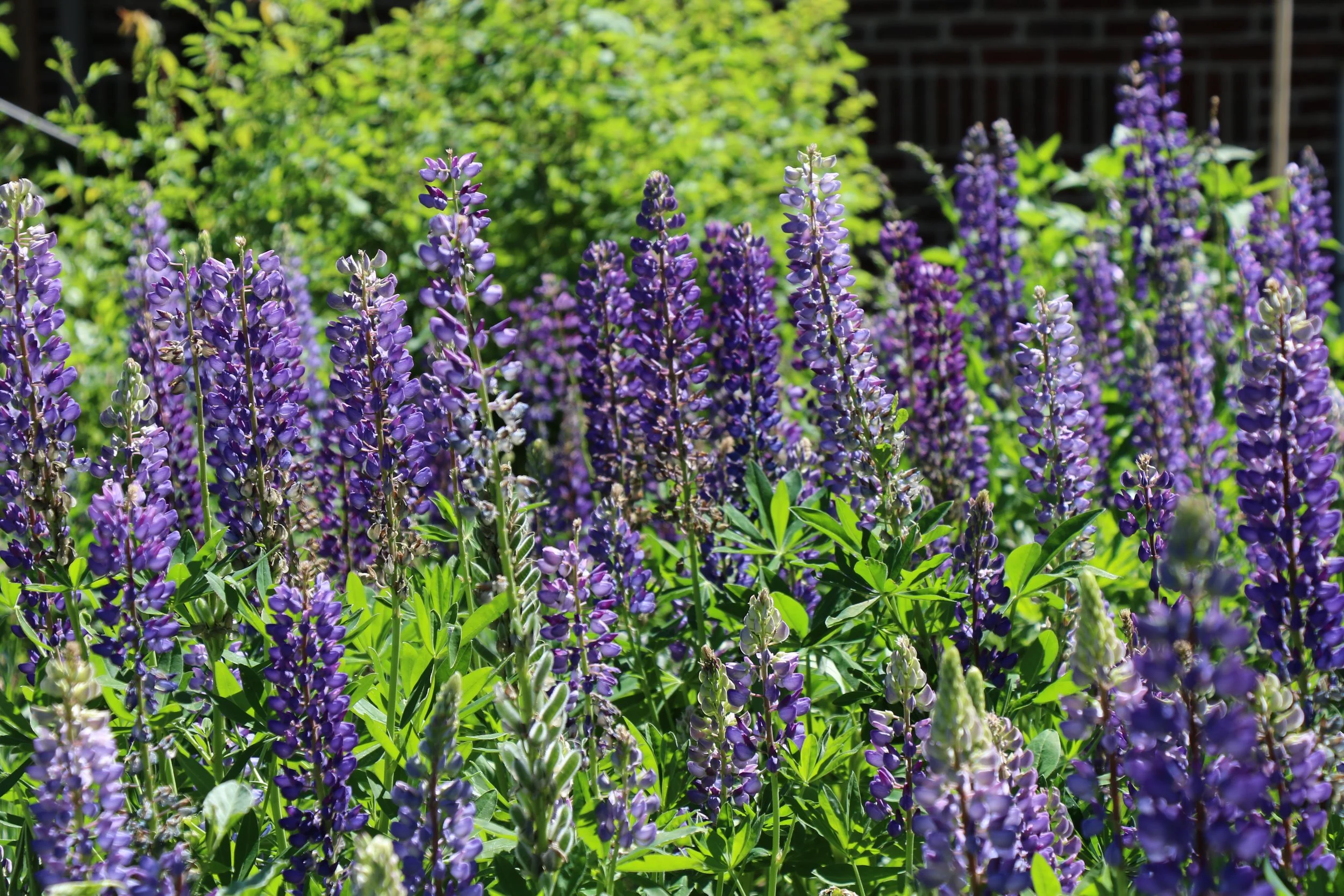
Native landscapes are dynamic, living ecosystems that evolve over time and provide long-term ecological beauty, habitat value and seasonal interest. Unlike traditional ornamental landscapes, native gardens change naturally throughout the seasons and improve with maturity.
Here is what to expect before, during and after installation, so we can ensure a successful project together.
Before Installation
Site Conditions
Clients are responsible for:
Providing clear access to the installation area
Marking private utilities, invisible fences, irrigation lines or septic systems, not identified through public utility locates
Removing pet waste and personal items from work areas
Ensuring pets and children remain away from active work zones
Weather & Scheduling
Native garden installations are weather dependent. Rain, excessive heat, frozen ground or material delays may require schedule adjustments. We will communicate any changes as quickly as possible.
Existing Vegetation
Depending on the project scope:
Existing turf, weeds or plant material may be removed
Some disturbance to surrounding lawn or soil is normal during installation
Native garden preparation often requires more intensive soil and weed management than traditional landscaping
During Installation
Native gardens are intentionally designed to mimic natural plant communities. This means:
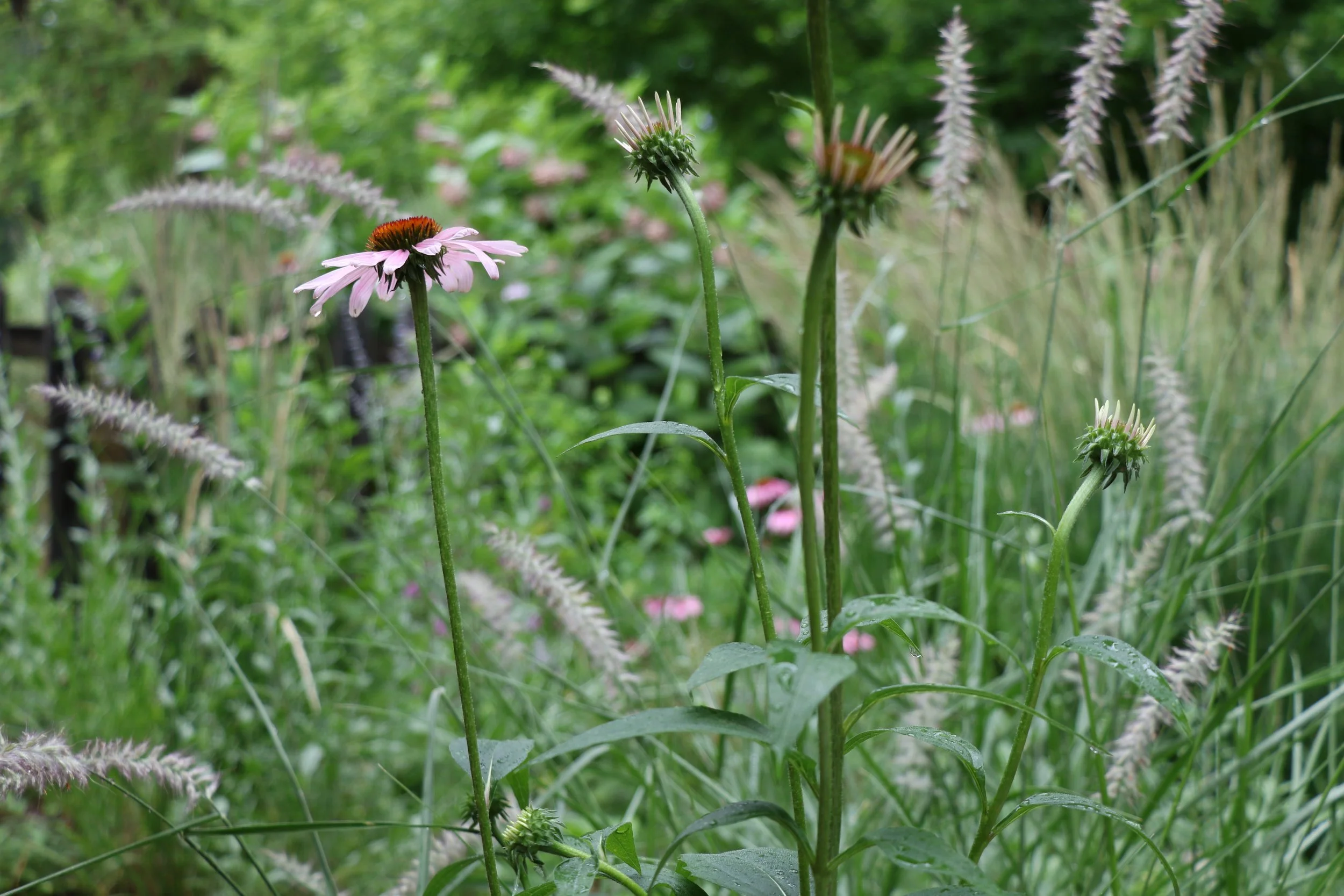
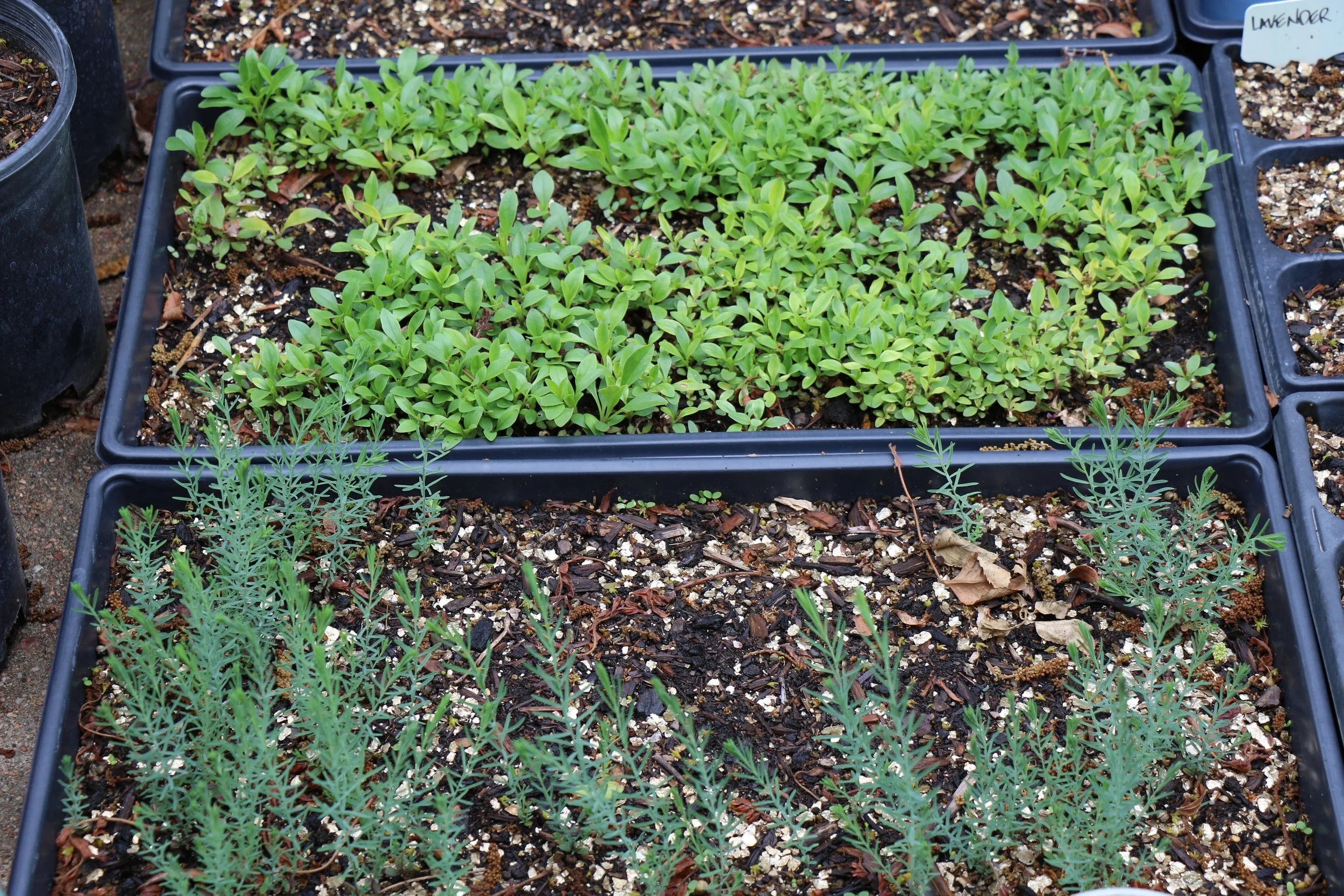
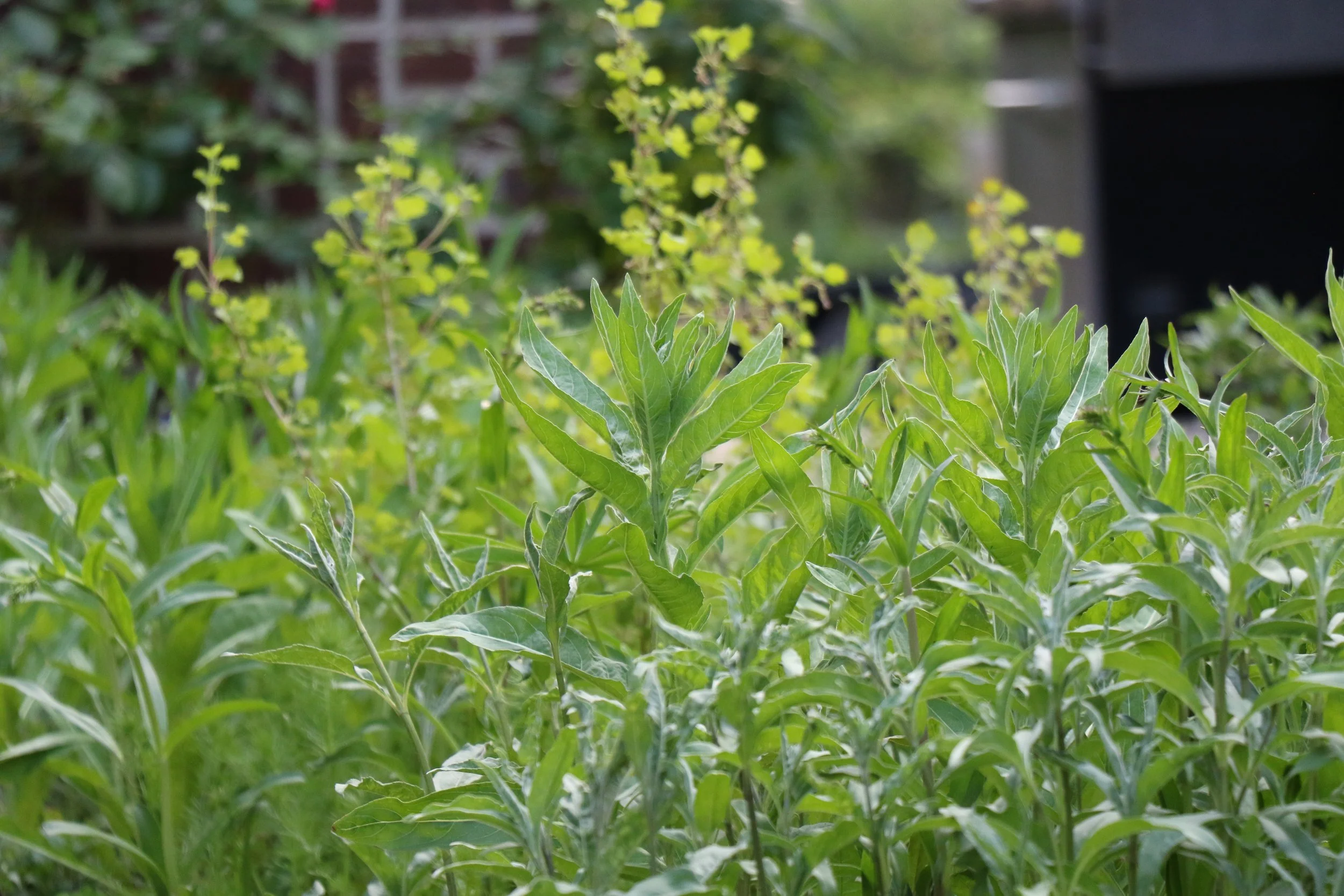
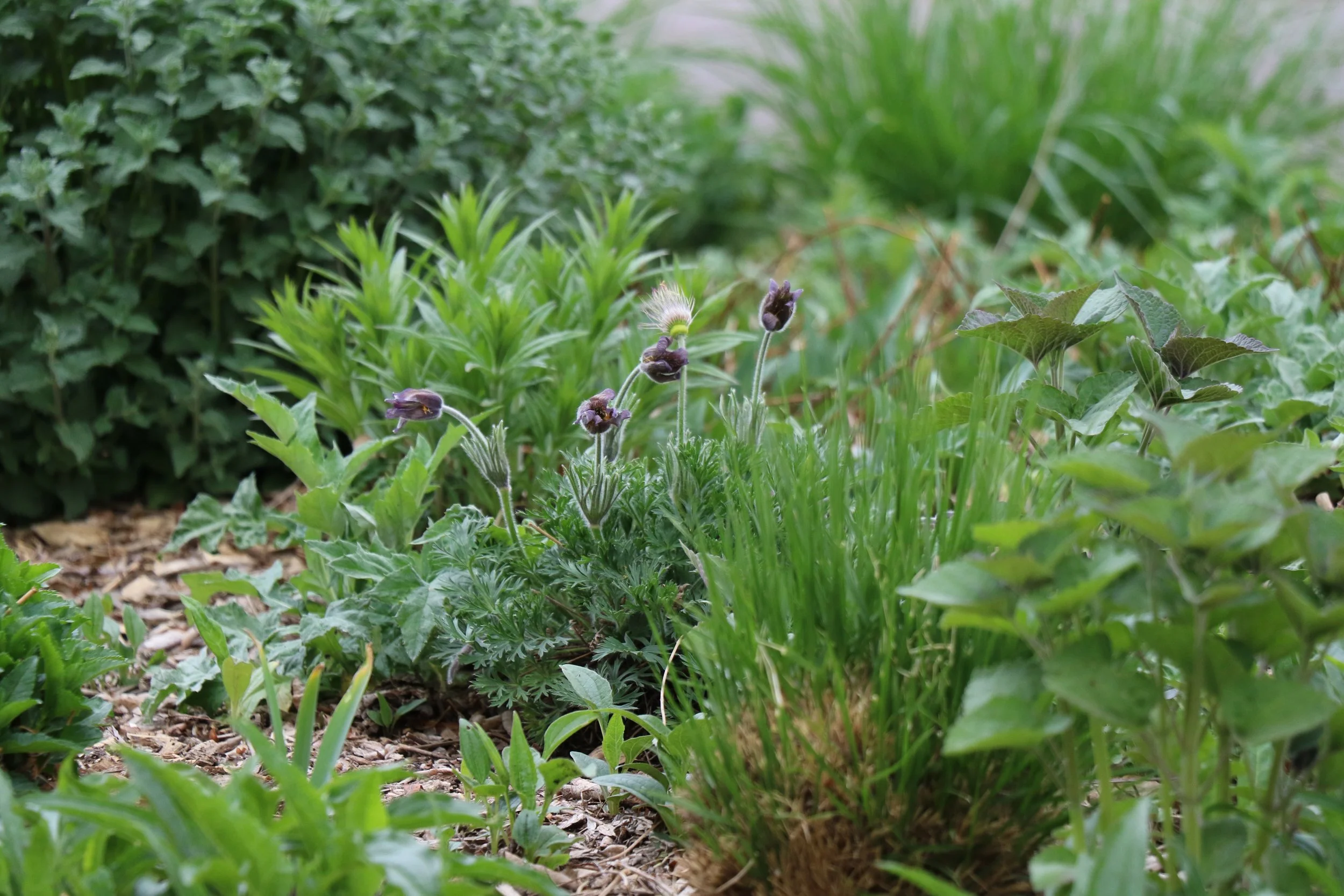
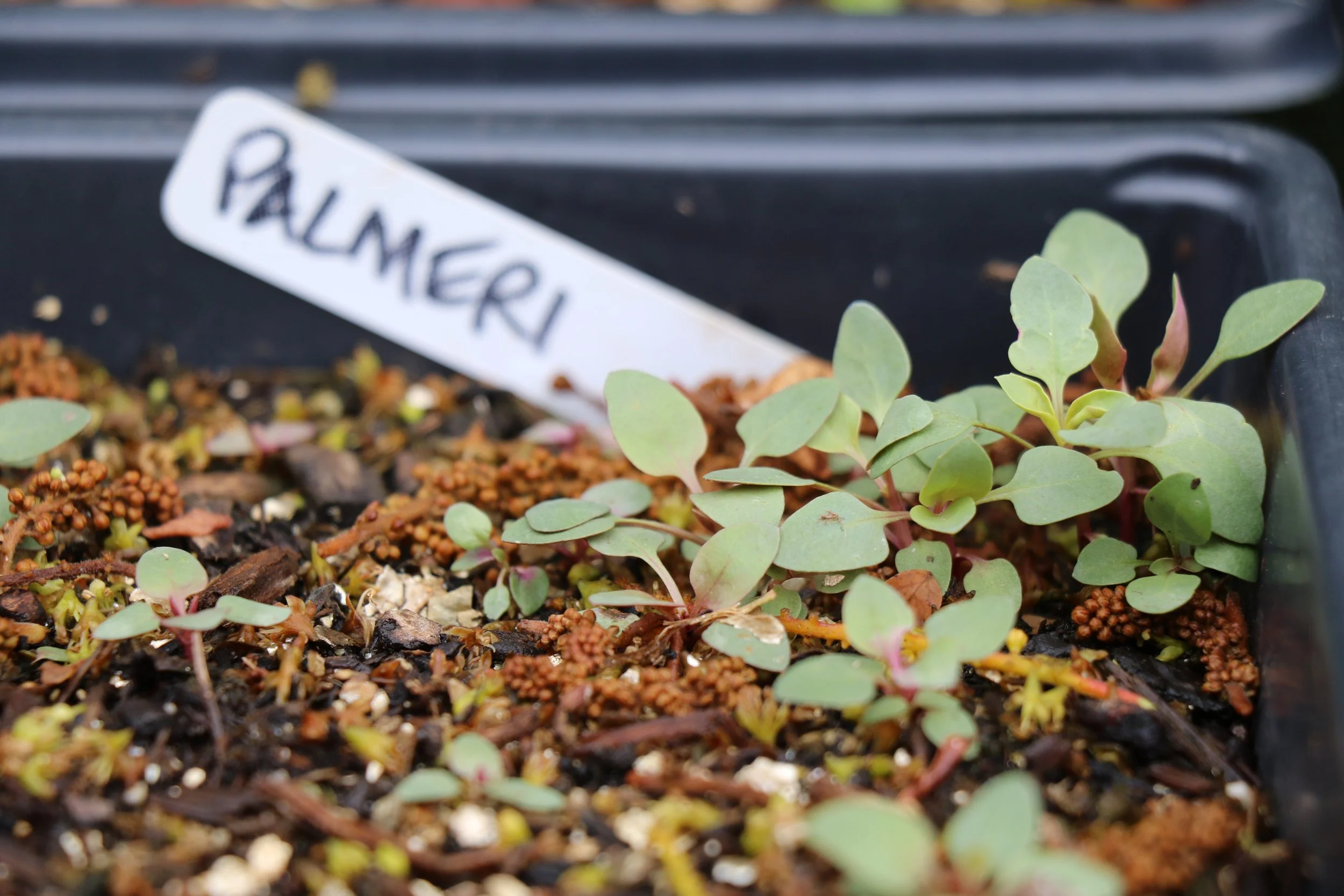
The garden may look sparse during the first growing season
Mulch and open soil are temporary parts of establishment. This allows shrubs to fill in over time.
Native landscapes are designed for long-term growth and ecological balance, not instant fullness.
Plant Variability
Native plants are living material and naturally vary in:
Height
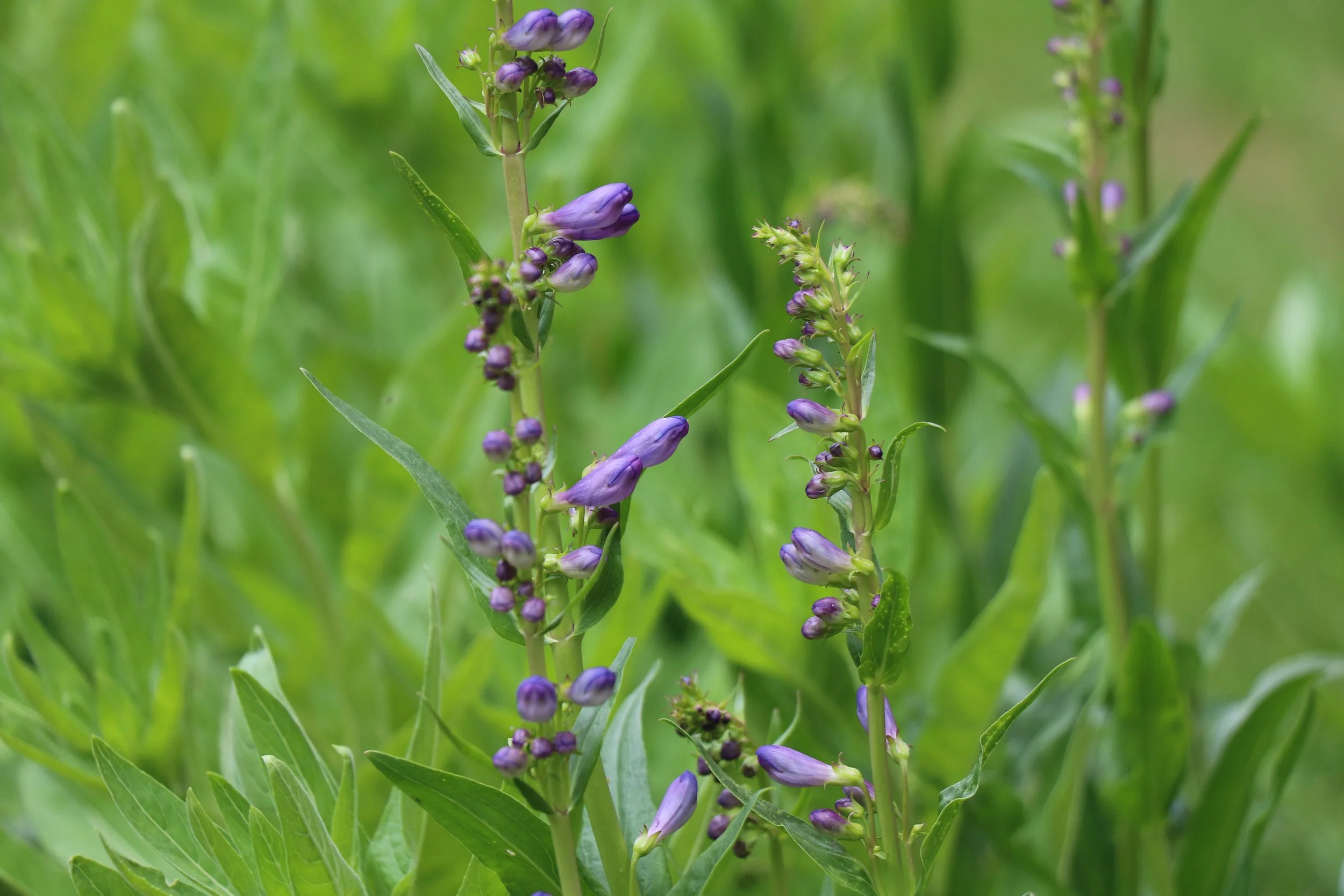
Bloom timing
Color intensity
Seasonal appearance
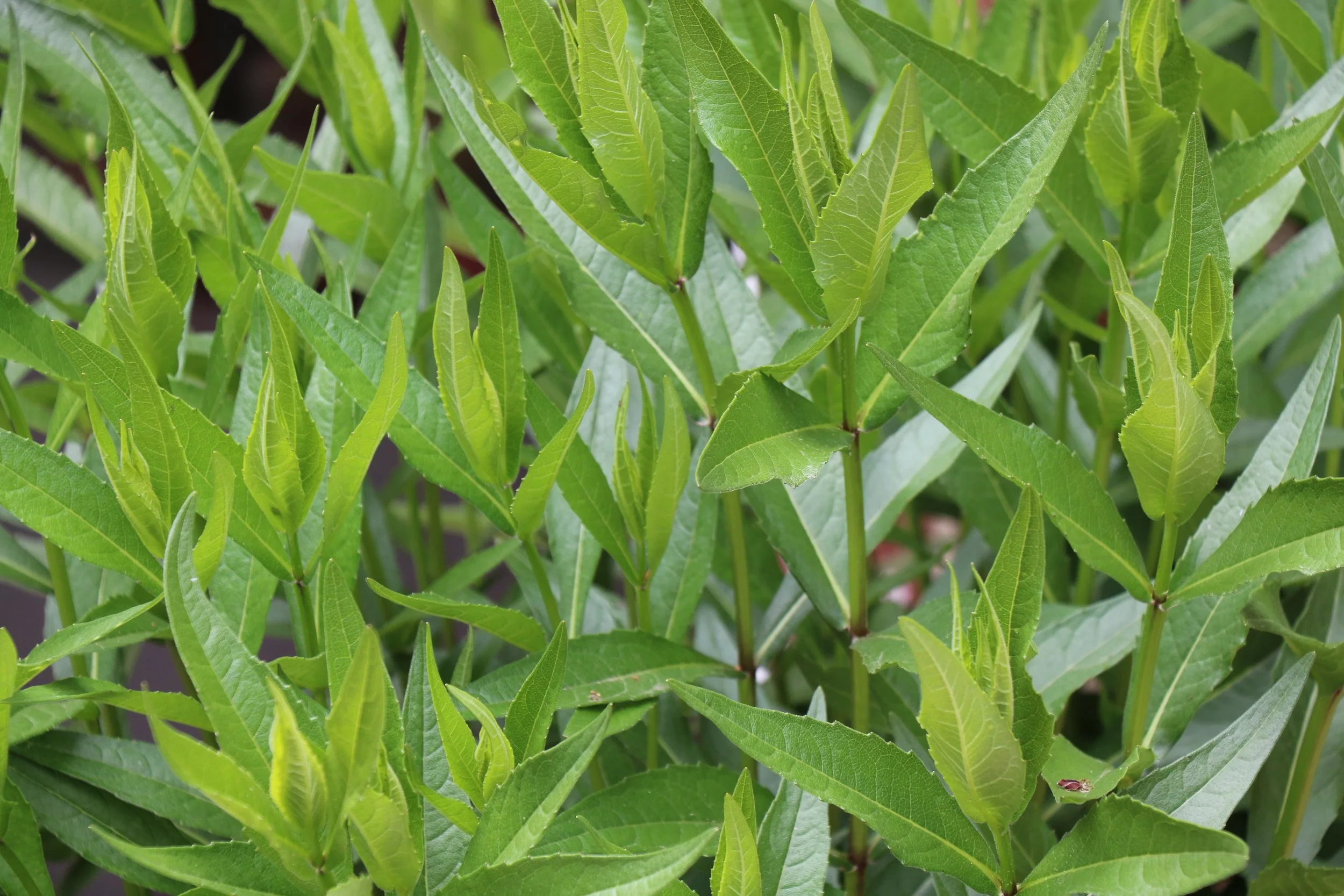
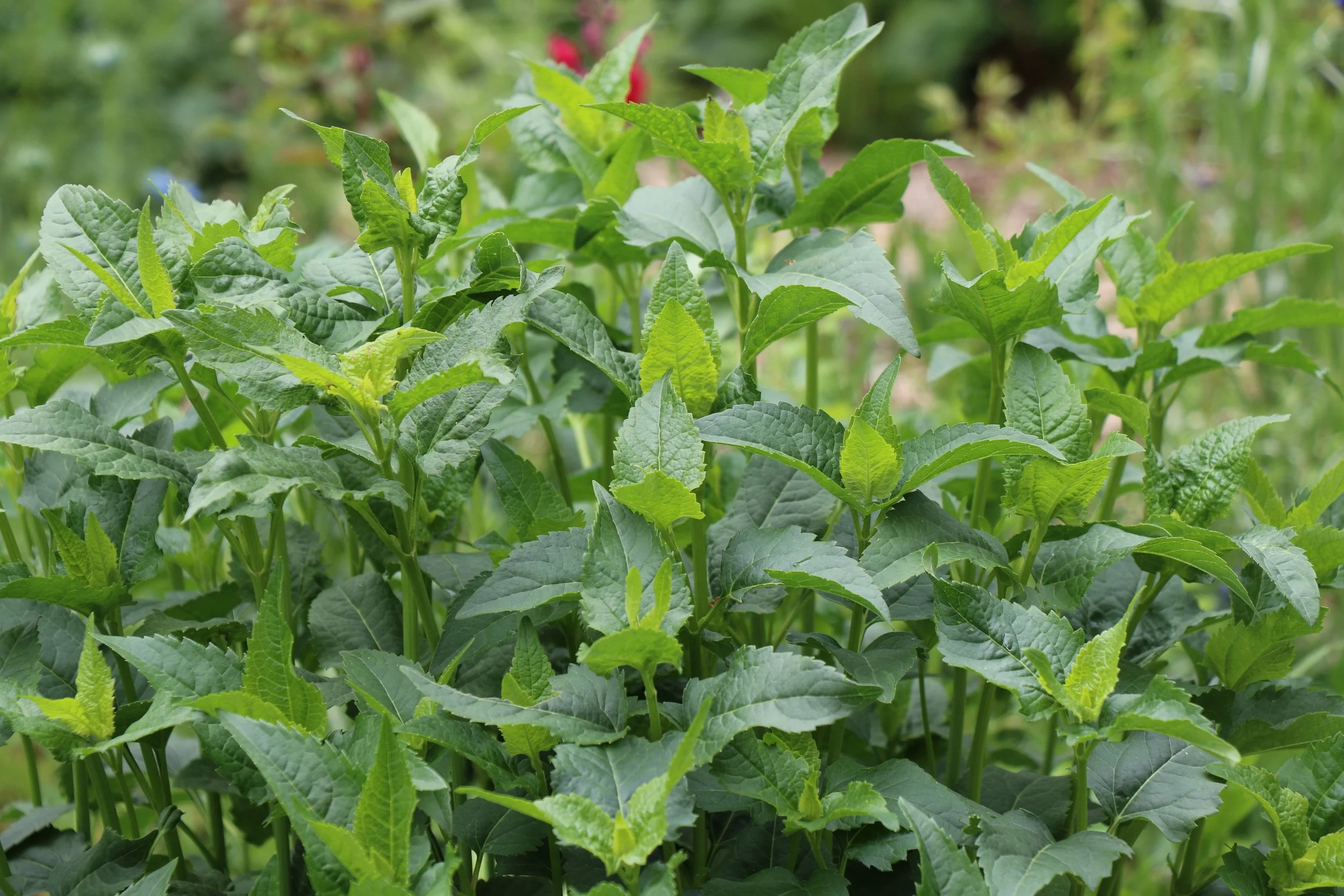
Some species emerge later in spring than conventional ornamentals. Dormancy and seasonal dieback are normal.
Wildlife Activity
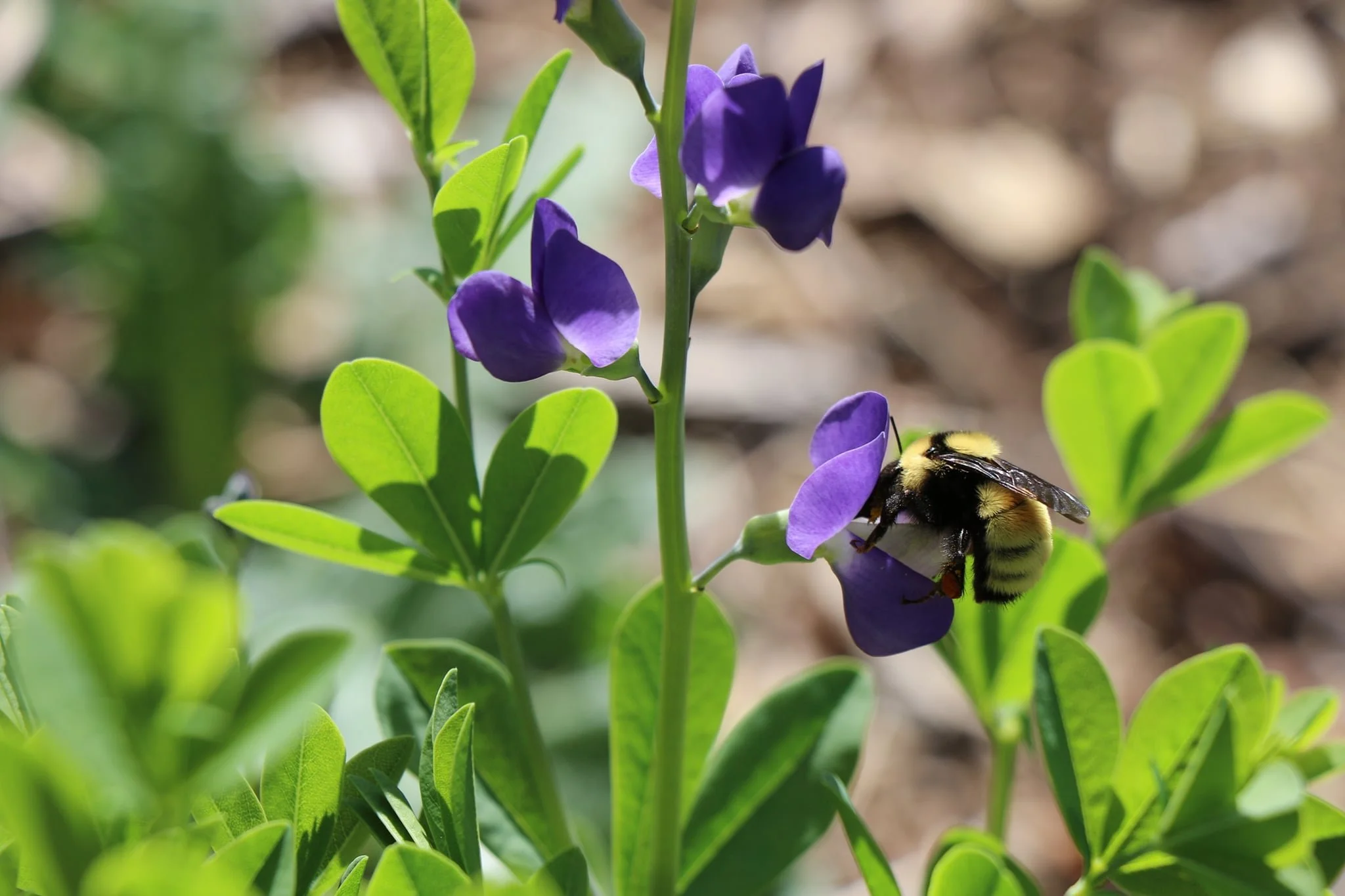
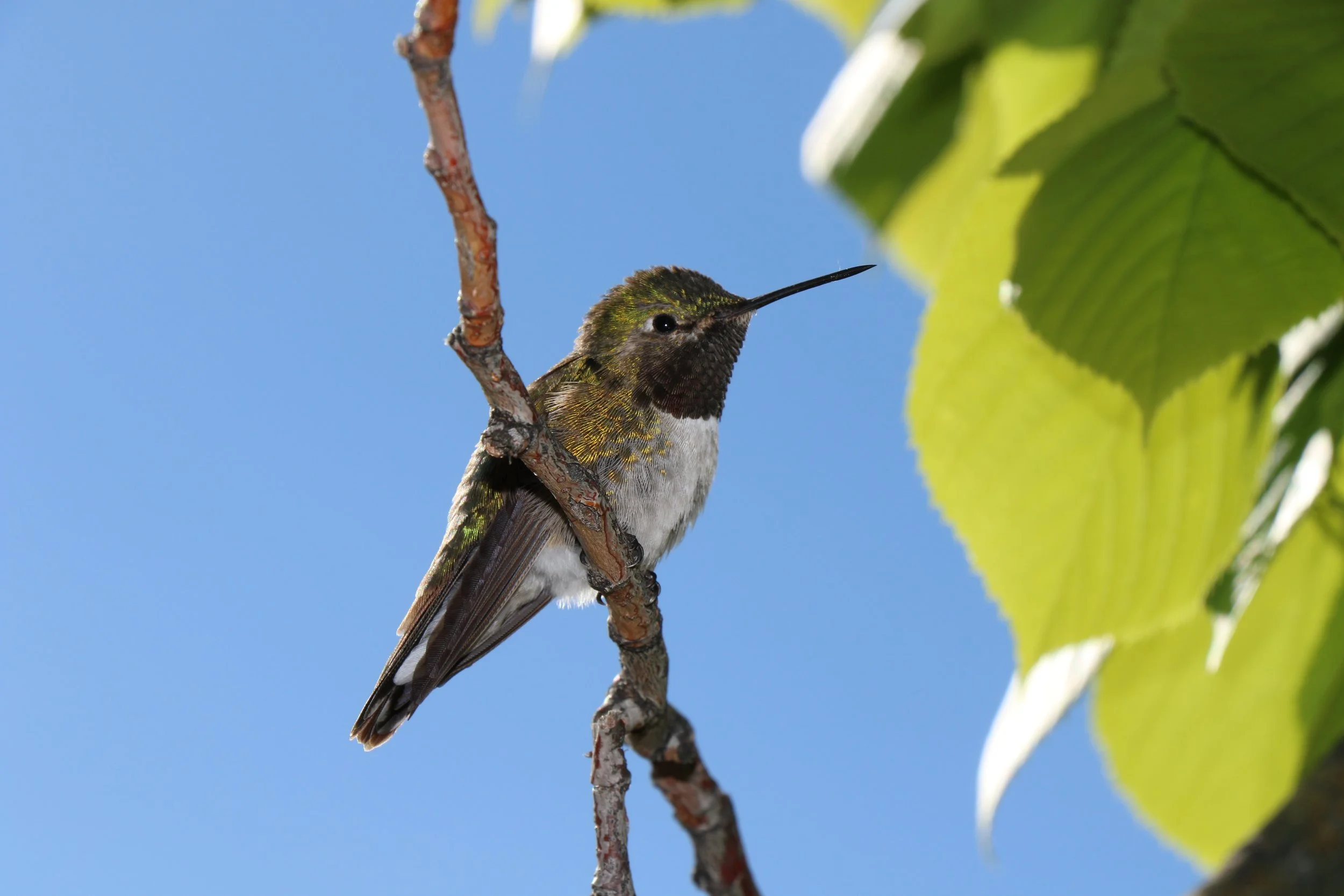
Native gardens attract beneficial wildlife including:
Bees
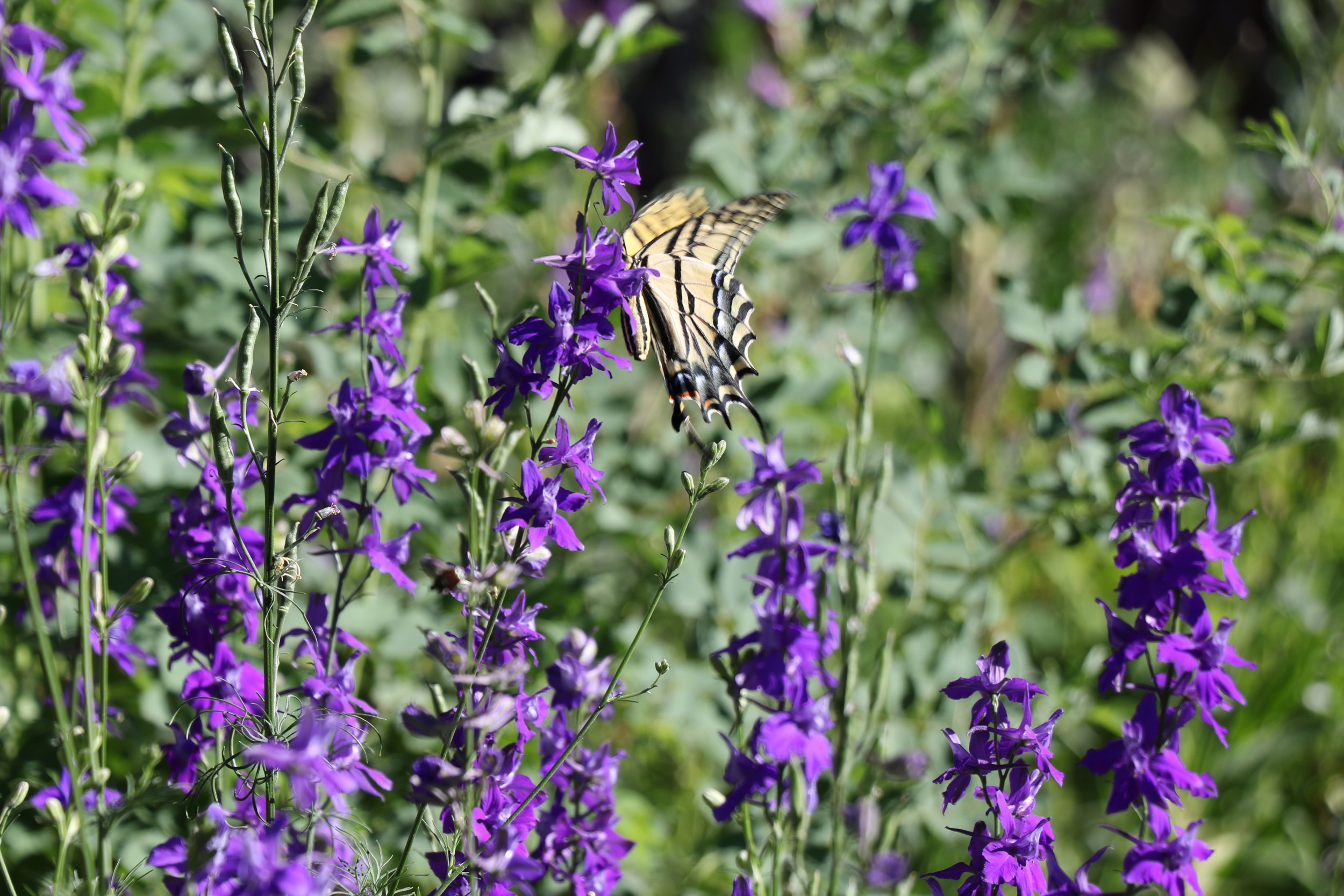
Butterflies
Birds
Pollinators
Beneficial insects
Increased insect and wildlife activity is a sign of a healthy ecosystem.
After Installation
Establishment Period
Native gardens typically require 2–3 growing seasons to fully establish. Think sleep, creep, leap.
Year One
Plants focus heavily on root development
Top growth may appear limited
More frequent watering and weeding are necessary
Year Two
Plants begin filling in
Bloom production increases
Weed pressure begins decreasing
Year Three & Beyond
Garden reaches fuller maturity
Maintenance needs decrease significantly
Plants become more drought tolerant and resilient
Watering Expectations
Proper watering during establishment is critical.
Clients are responsible for:
Watering according to provided instructions
Monitoring rainfall and soil moisture
Adjusting watering during periods of heat or drought
General guideline:
Deep watering 2–3 times per week during establishment
Avoid shallow daily watering
Reduce watering after plants establish
Weed Management
Weeds are normal in newly installed native gardens.
Because native gardens are ecological systems:
Weed pressure is highest during establishment
Some dormant weed seed germination is expected after soil disturbance
Regular maintenance is necessary for success
Clients should expect:
Periodic hand weeding
Seasonal cutbacks
Mulch touch-ups
Monitoring for invasive species
A native garden is not a “plant once and ignore forever” landscape.
Seasonal Appearance
Native landscapes change dramatically throughout the year.
Clients should expect:
Spring emergence delays
Summer peak bloom
Fall seed heads and color
Winter structure and dormant stems
Many native gardeners intentionally retain seed heads and standing stems through winter to support wildlife habitat and overwintering pollinators.
Maintenance Expectations
Recommended maintenance may include:
Spring cutback in March
Occasional dividing of mature plants
Weed management
Selective editing of aggressive species
Supplemental watering during extreme drought
Maintenance can be performed by the client or through a seasonal maintenance agreement.
Warranty & Plant Replacement
Plant warranties apply only when:
Proper watering instructions are followed
Plants are not damaged by pets, wildlife, flooding, drought or neglect
Modifications to the planting area are not made by others
Replacement decisions are made based on seasonal timing and horticultural best practices.
Understanding Native Landscapes
Native gardens are designed to:
Support pollinators and wildlife
Improve biodiversity
Reduce long-term water use
Build healthier soil ecosystems
Create four-season beauty
They are living systems that become more beautiful, resilient, and ecologically valuable with time and proper stewardship.
Client Acknowledgment
Native gardens are dynamic and seasonal
Establishment requires time and maintenance
Plant appearance and performance naturally vary
Wildlife activity is expected
Long-term success depends on proper aftercare
Thank you for investing in a healthier, more resilient landscape.